Sekkotsu & Hone-tsugi or ‘Bone Setters’
Japan did not completely abandon Traditional Japanese Medicine after the Meiji Restoration (1868-1869).
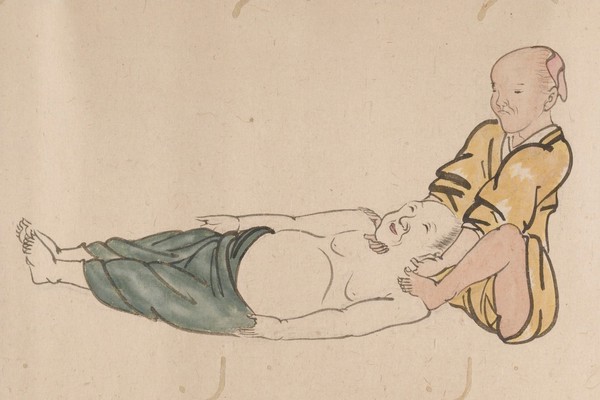
Sekkotsu, the traditional Japanese art of bone-setting had been used to treat wounds, bruises, reduce dislocations and set bone fractures throughout the centuries and continued to be practiced. Developed through knowledge of the body acquired from the study of injuries in battle, Sekkotsu also taught practitioners how to identify weak points in human anatomical structures and became part of many traditional martial arts schools. The application of medicinal herbs, herbal compresses, massage, and diet has always been part of traditional Sekkotsu practice.
Jigoro Kano sought out ‘Hone-tsugi’ (bone setters) when researching Koryu Ju Jitsu schools in his development of Judo because he felt Sekkotsu partitioners, or potentially had greater knowledge in human anatomy and physiology than many Ju Jitsu teachers.
He incorporated the art into his early Kodokan Judo system and instructors at the Kodokan appealed to the government to officially permit them to practice Sekkotsu so that they could earn their living. The government accepted their request and started to issue their ‘Jitsugi Shomeisho’ or bone setting licence. The number of Ju Jitsu and Judo instructors applying for this licence led to the practice of Sekkotsu to become known as Judo therapy and the Jitsugi Shomeisho as a judo therapist license.
Other notable martial artists who studied Sekkotsu was Hironori Otsuka, the founder of Wado-ryu karate, who obtained his Jitsugi Shomeisho license from Kanaya Motoo, master of Yoshin Koryu Jujutsu (An older branch of the Yoshin Ryu tradition, forerunner to Otsuka’s home discipline of Shindo Yoshin Ryu). Kanaya was also president of the ‘Tokyo Bonesetters Association’ and a Jitsugi Shomeisho license could be issued by an existing jujutsu master and bonesetter that bypassed the need to take actual exams.
Otsuka was eventually able to open a ‘Seikotsuin’ or bone setting clinic of his own l around 1921 or 1922. In addition to bone setting, Otsuka became schooled in traditional methods of Kappo and Katsu (traditional healing or revival techniques that often involve stimulation of specific acupuncture points).
Seikotsuin clinics still exist today in Japan and are a compilation of traditional Japanese medicine and modern western medical theory.
Therapists must study more than three years at a school recognised by the government and obtain the knowledge and technical skill necessary to be a therapist, including a knowledge of anatomy, physiology, pathology, osteopathy, physiotherapy, orthopaedic massage, chiropractic and hygiene.
The equivalent western practitioner would most likely be a chiropractor, but Sekkotsu is essentially based on the concept of Japanese and Oriental medicine and the application of medicinal herbs, herbal compresses and massage has always been part of the traditional Sekkotsu practice.
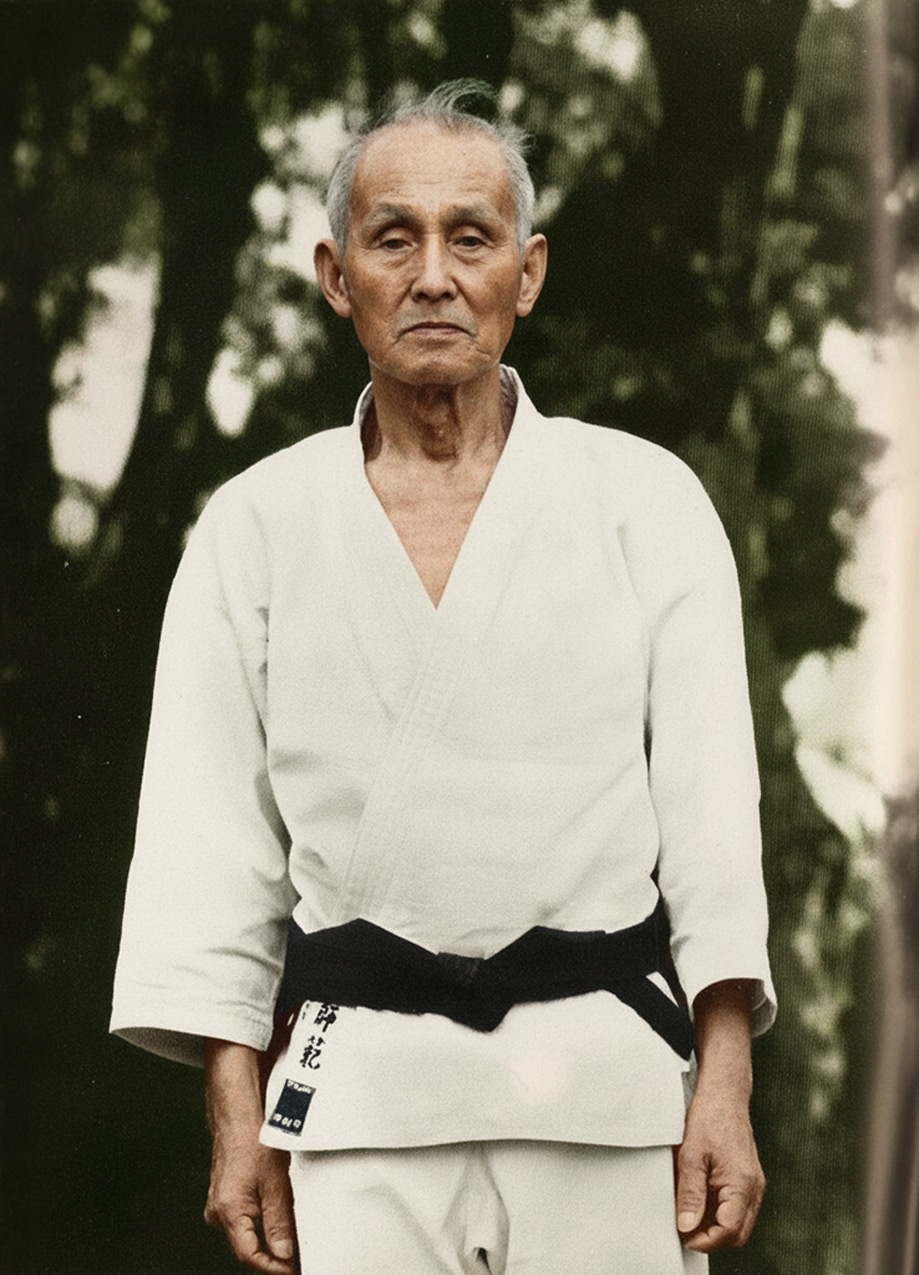
Modern practitioners are likely to be skilled in ‘shinkyu’ (acupuncture and moxibustion), ‘shiatsu’ (finger-pressure therapy), ‘seitai’ (Japanese therapeutic massage) and ‘anma’ (traditional Japanese massage) and are commonly called judo therapists.